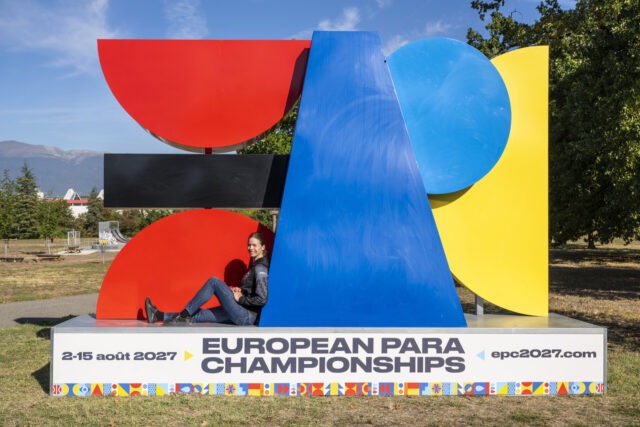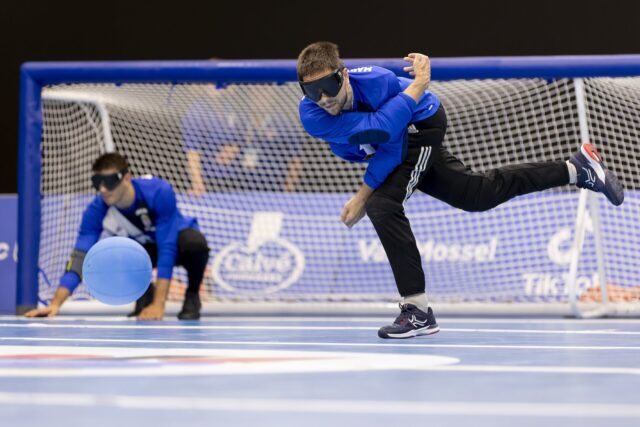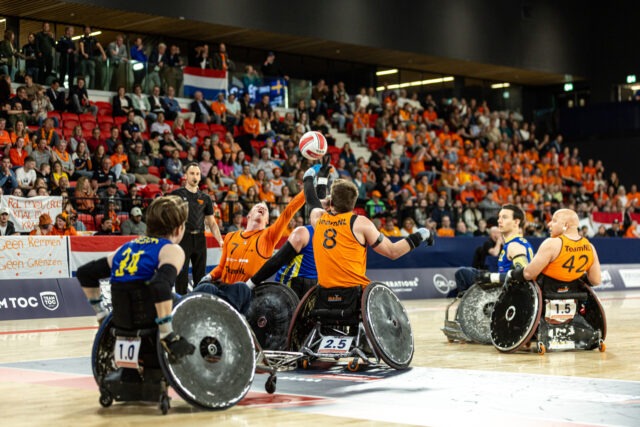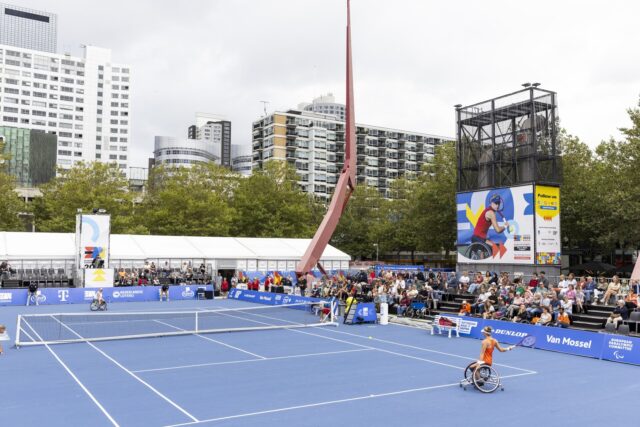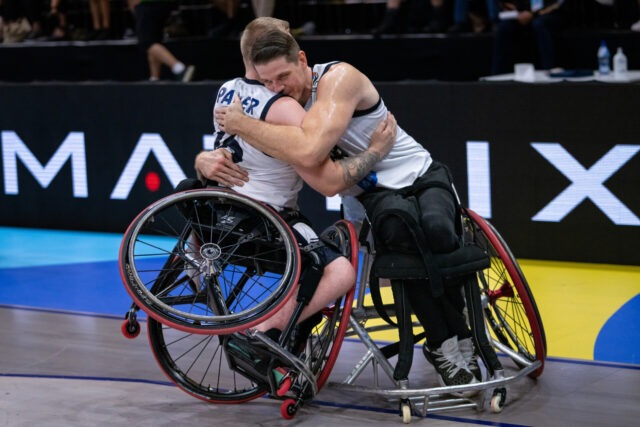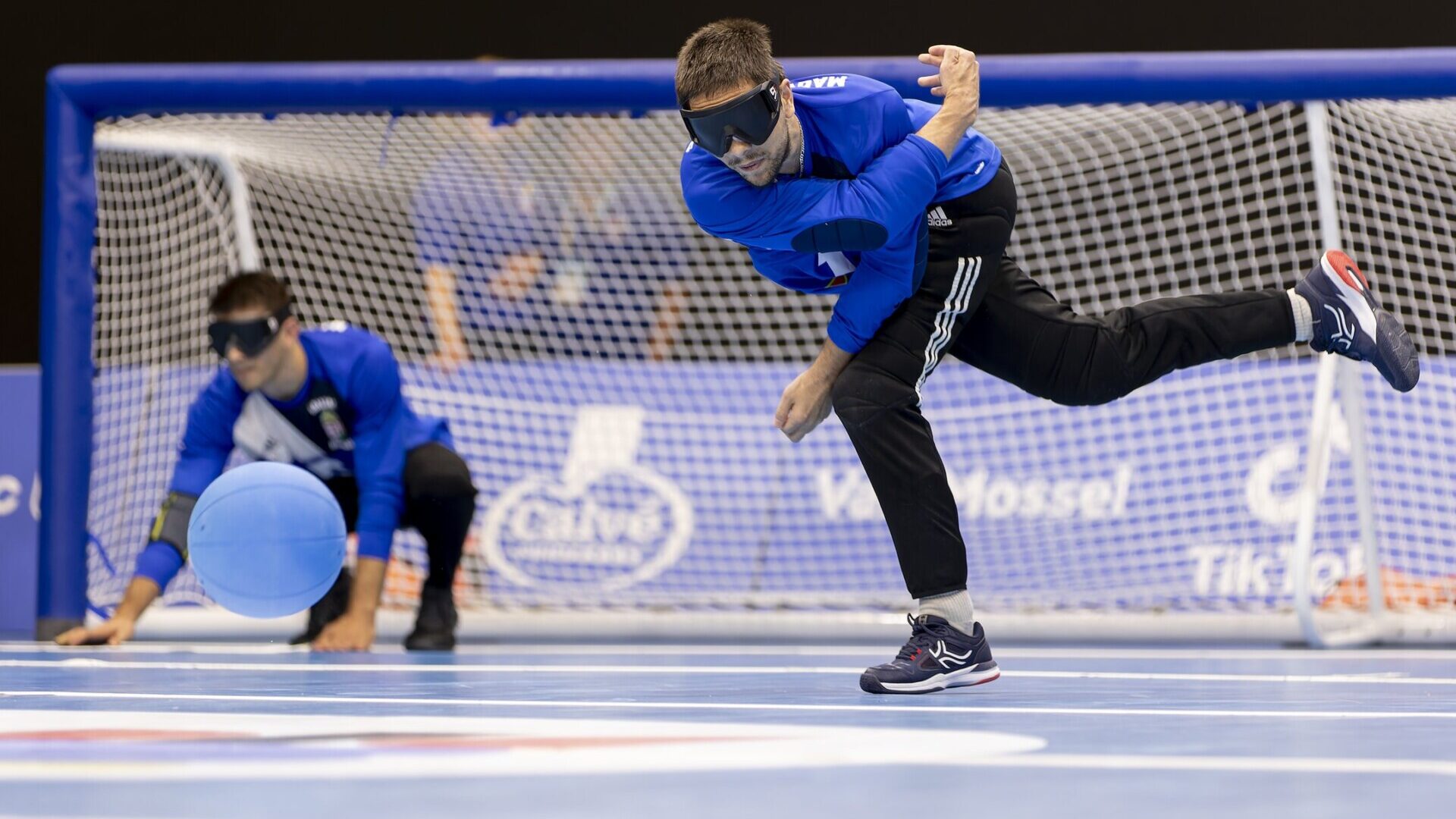
The European Para Championships are entering a decisive phase as preparations intensify for Geneva 2027, an edition that is already shaping up to be a milestone for para‑sport in Europe. The Championships have grown into a continental platform that strengthens pathways toward the Paralympic Games, and this rising relevance is now reflected in the interest for future editions. In recent months, seven countries — and counting — have formally expressed their interest in hosting the event in 2031 or 2035, demonstrating a strong and expanding commitment to inclusive sport development across Europe.
This wave of early engagement shows that the Championships have matured into a strategic asset for nations seeking to invest in accessible infrastructure, community participation, and long-term athlete development. As Geneva prepares to welcome over 2,000 of Europe’s best para-athletes and community members from 2 to 15 August 2027, the Championships are already catalysing a broader movement: countries are positioning themselves to become future hosts, eager to contribute to the event’s legacy and growth.
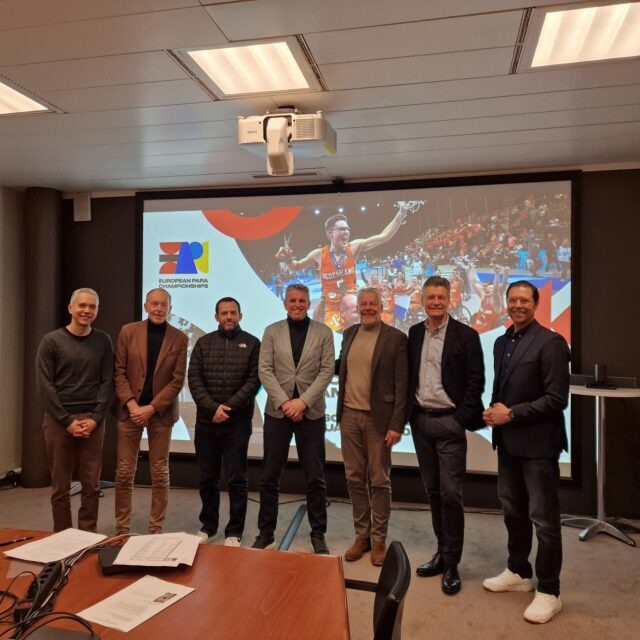
The ambition of the management of the European Para Championships, led by its founder Eric Kersten, is to maintain this momentum by announcing the host city for the 2031 edition at the last day of Geneva 2027. This timeline ensures continuity, provides clarity for national organisers, and supports a stable planning cycle that benefits athletes, federations, and host cities.
A key pillar of this approach is the Championships’ hybrid organisational model. This model combines a centralised core team — safeguarding consistency, quality standards, and long-term strategy — with decentralised national and local organising structures that bring cultural relevance, local activations, social impact, and local expertise. It also enables smoother transitions between editions, enhances continuity, and reduces the operational burden and costs for future hosts.
To support countries exploring 2031 or 2035, the management has adopted a continuous dialogue model. This allows nations to engage at their own pace, without rigid deadlines or pressure‑driven milestones. It ensures that discussions remain open, constructive, and tailored to each country’s readiness. By removing fixed timelines, the organisation avoids the common pitfall of lengthy, deadline‑driven bidding processes that ultimately fail to deliver.
In parallel, the organisation applies a first-come, first-served principle specifically for securing a signed hosting contract with the right guarantees. Countries that initiate dialogue early and progress efficiently will have a greater chance of success, provided they meet the required criteria. This empowers nations to control their own pace while ensuring fairness, transparency, and predictability — and it reduces the risk of prolonged processes that stall before reaching a contractual commitment.
As Geneva 2027 approaches, the European Para Championships stand at a pivotal moment: preparing to deliver an exceptional edition while shaping the future of the event for the next decade. The interest from seven countries — and rising — is a testament to Europe’s collective dedication to para‑sport.
For governments and cities, hosting the European Para Championships 2031 or 2035 is a strategic opportunity. It allows leaders to demonstrate commitment to inclusive policies, activate cross-departmental collaboration, and deliver a legacy aligned with long-term social and urban development goals. It positions the host city as a European leader on the road to Brisbane 2032 — a gateway city where Europe’s Paralympic ambitions take shape.