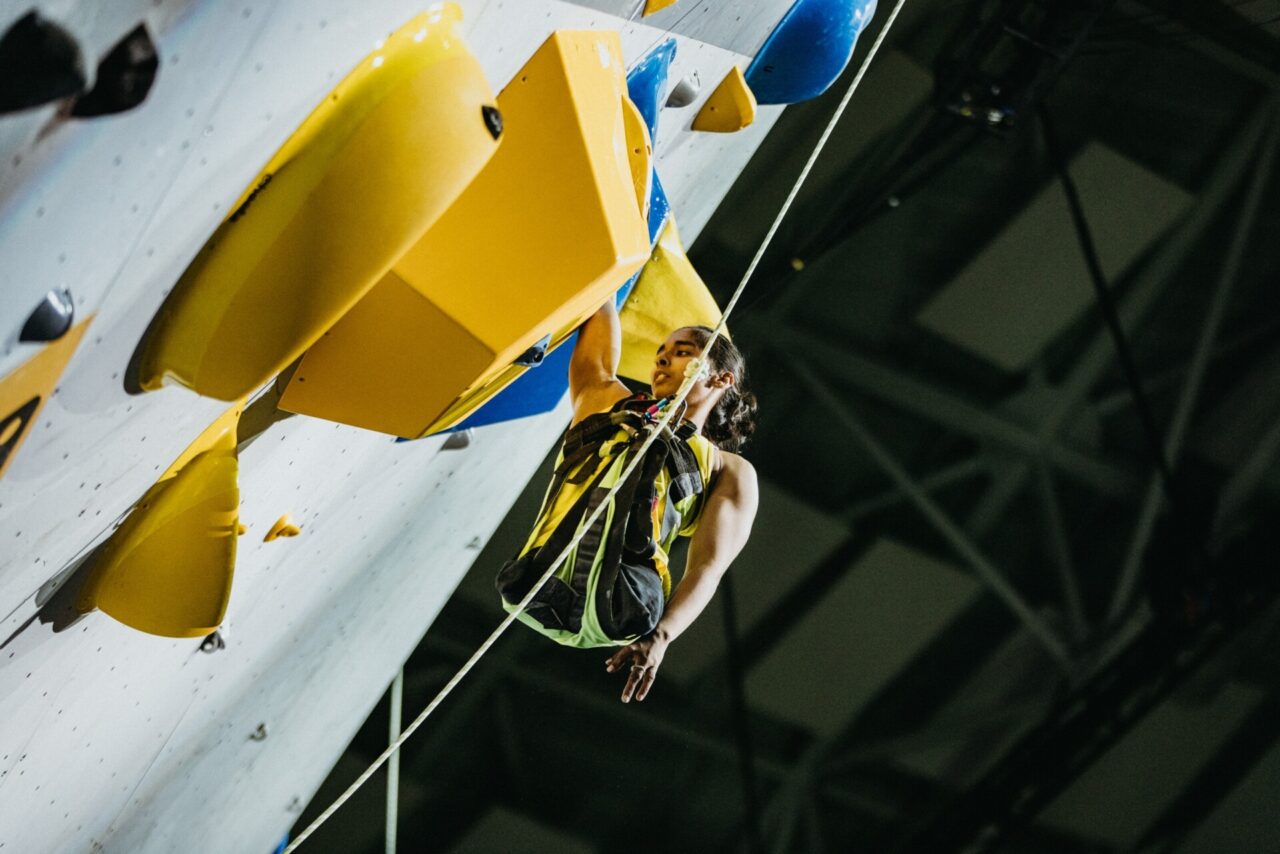
Para Climbing is where strength, focus, and determination come together on the ultimate stage. Athletes compete on specially designed climbing walls, pushing physical and mental boundaries as they race against the clock and conquer challenging routes. With multiple sport classes ensuring fair competition, Para Climbing celebrates diversity, resilience, and world-class athletic performance.
As one of the fastest-growing Para sports in the world, Para Climbing creates an electrifying atmosphere where athletes inspire fans through courage, precision, and perseverance. The sport continues to grow globally and will make its Paralympic debut at the 2028 Paralympics in Los Angeles.
Divisions / categories
-
Visual impairment Men’s and Women’s – “B” for Blind
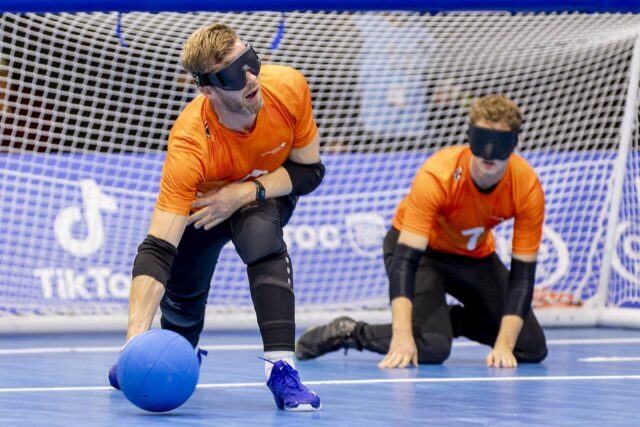
Athletes with varying degrees of vision loss compete in this category and are guided by a partner who provides verbal instructions. They are further divided into three subcategories:
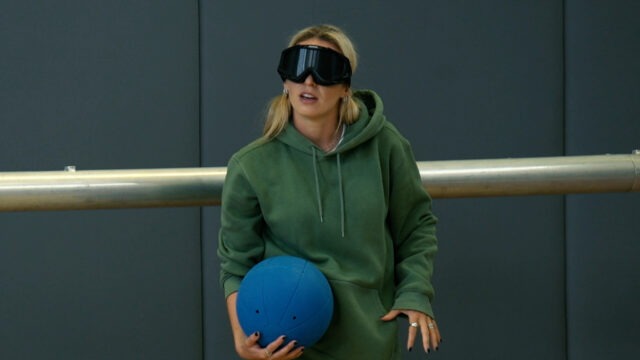
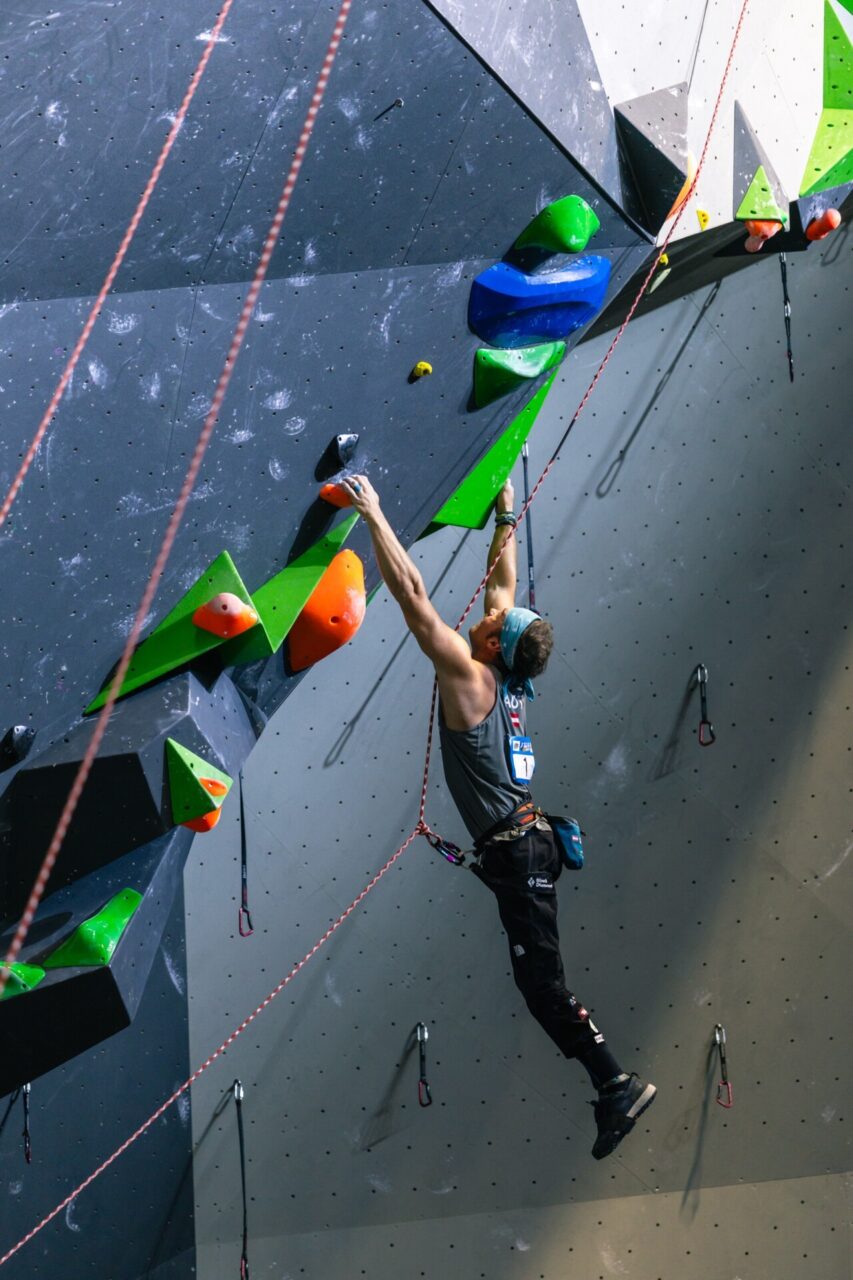
- B1 – Complete blindness (no light perception). Athletes must wear blindfolds to ensure fairness.
- B2 – Severe visual impairment (can perceive shapes but with very limited vision).
- B3 – Partial visual impairment (better vision than B2 but still significantly limited).
-
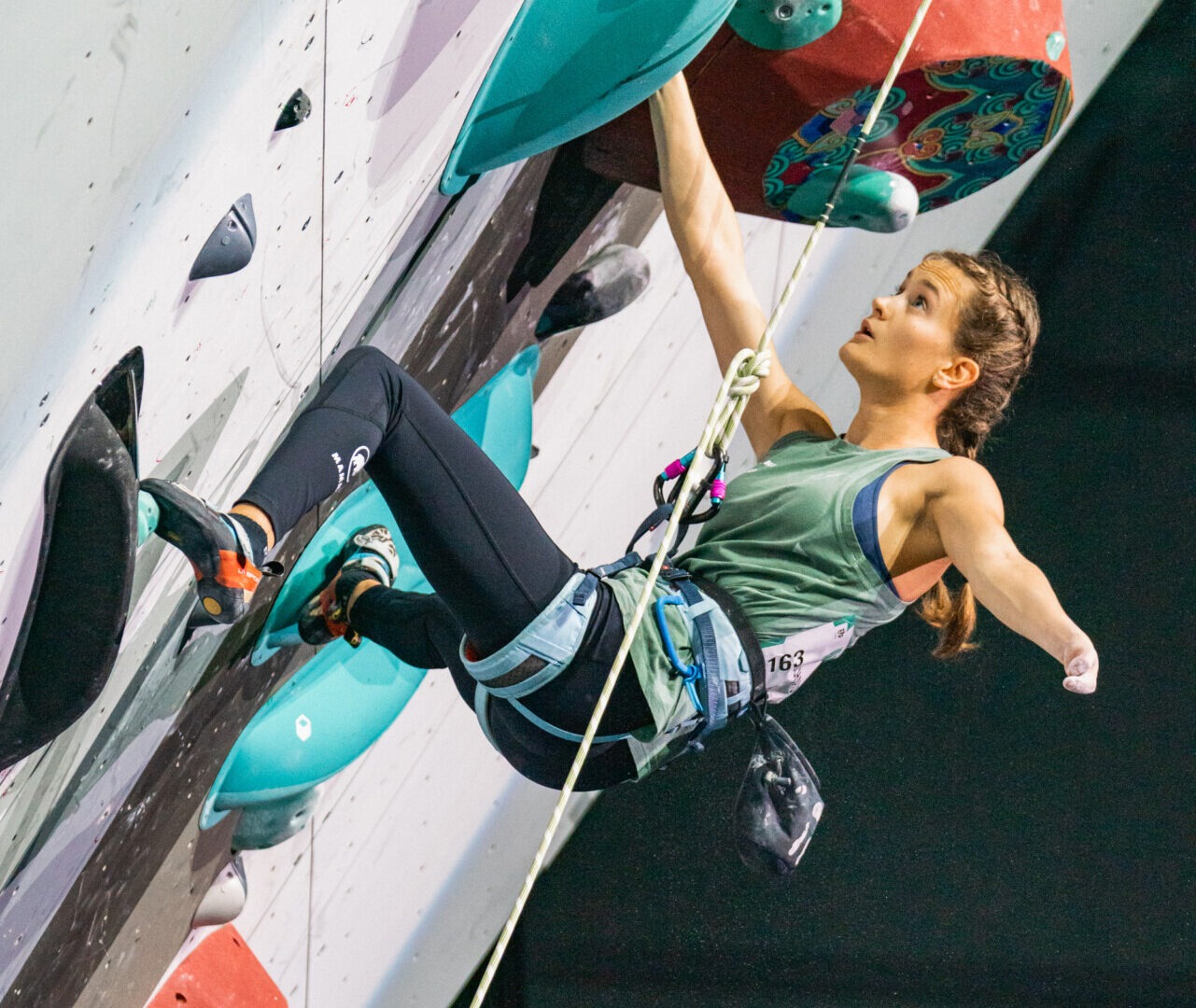
Upper Limb Amputations/Limitation (AU – Arm Impairment)
Athletes with upper limb impairments, such as amputations or significant restrictions in arm function, compete in this category. They may have one or both arms affected.
-
Lower Limb Amputations/Limitation (AL – Leg Impairment)
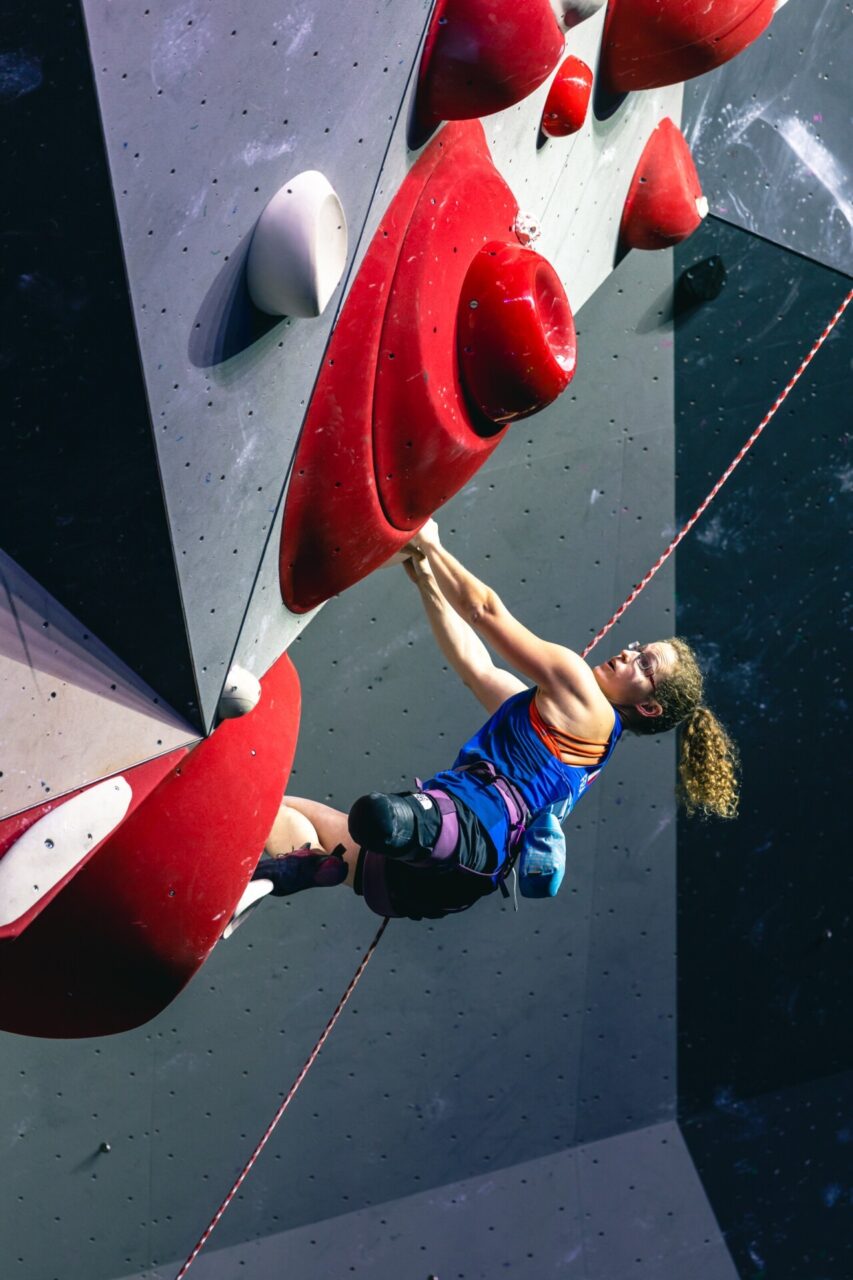
This category includes climbers with lower limb impairments, such as amputations or mobility restrictions in one or both legs. Athletes may use prosthetics or climb without them, depending on their preference.
-
Neurological or Physical Disabilities (RP – “Reduced Power”)
This category includes athletes with conditions affecting muscle strength, coordination, or range of motion, such as cerebral palsy, multiple sclerosis, or spinal cord injuries. It is divided into three subcategories based on the severity of impairment:
- RP1 – Most severe impairment, affecting balance and strength significantly.
- RP2 – Moderate impairment, with some limitations in movement and strength.
- RP3 – Least severe, with minor mobility or strength impairments.
International Federation